
Canadian High School: How It Works for Exchange Students
Canadian high schools are often seen as more flexible, activity-oriented and culturally diverse than many students expect.
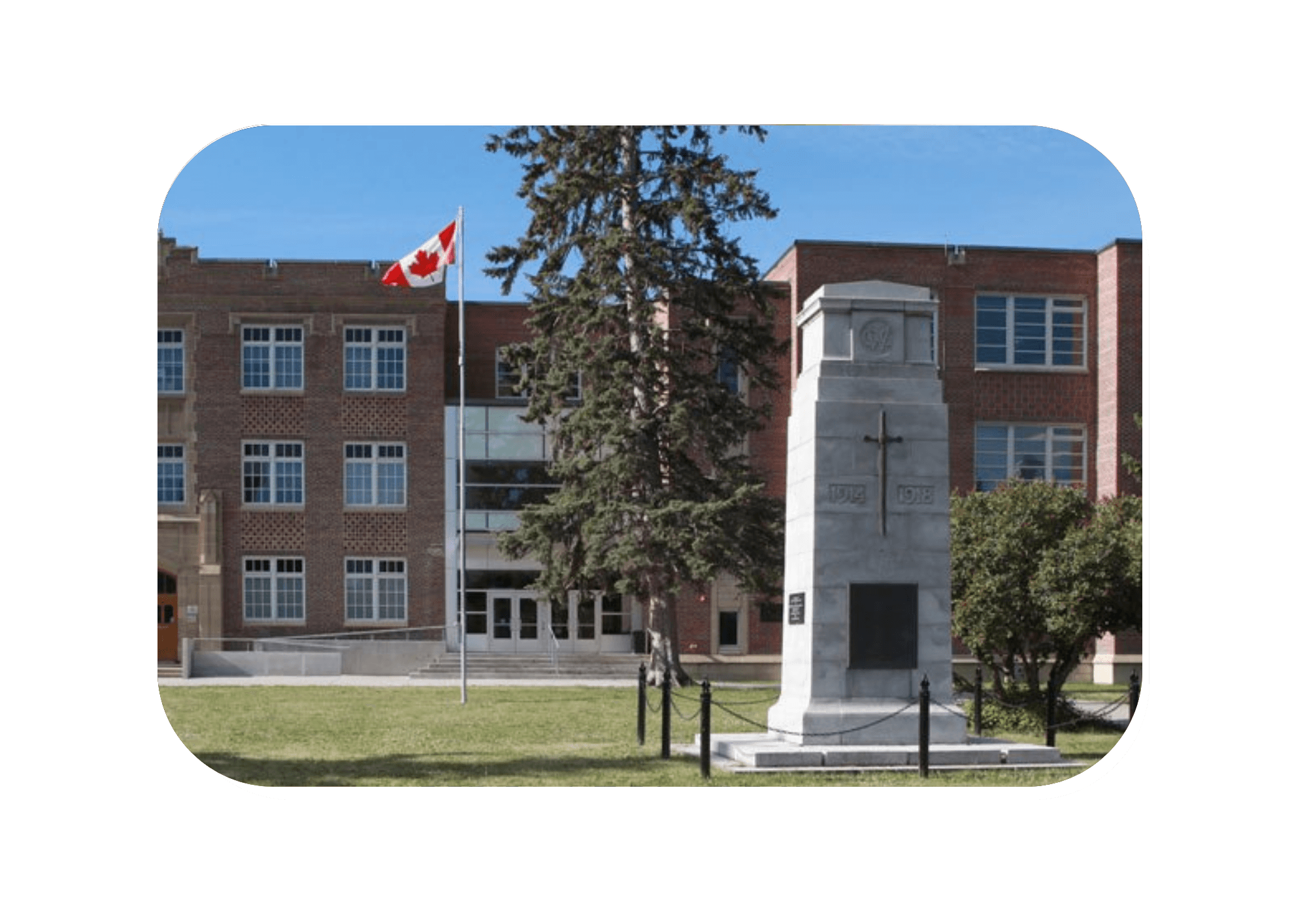
Why Canadian High Schools Attract So Many Exchange Students
Canadian high schools have a very positive reputation among international exchange students.
Students and organizations often highlight:
modern campuses;
a more relaxed atmosphere;
strong cultural diversity;
and a large variety of extracurricular activities.
But beyond the “dream school” image, it is important to understand what actually changes in everyday school life.
Because the experience is not only about the building itself — it is about a different educational and social environment.

What Really Feels Different
Many students describe Canadian schools as:
more flexible;
more activity-focused;
more socially open;
and sometimes less academically rigid than what they were used to before.
School life often includes:
clubs;
sports;
student events;
artistic activities;
volunteering;
and community involvement.
For many exchange students, these activities become one of the easiest ways to:
meet people;
integrate socially;
and feel part of the school environment.
Grades, Subjects and School Structure
Canada uses a “grade” system rather than the exact same structure found in some other countries.
In many provinces, secondary school generally continues until Grade 12, although the structure may vary depending on:
the province;
the district;
and the educational system itself.
Quebec, for example, has some important differences compared to other provinces.
This is why it is important to remember:
there is not one single “Canadian high school model.”
The province and school district matter significantly.
Activities and Student Life
Extracurricular activities often play a major role in Canadian school culture.
Students may participate in:
sports teams;
clubs;
arts programs;
school events;
leadership groups;
or community projects.
Like in the United States, these activities can become an important part of social integration.
Many students also describe Canadian schools as:
welcoming;
inclusive;
and socially accessible.
Of course, every school is different.
But overall, student life is often presented as an important part of the Canadian school experience.
Relationship With Teachers and School Atmosphere
Some exchange students also notice differences in relationships with teachers.
Depending on the school, the atmosphere may feel:
less formal;
more conversational;
and more relaxed socially.
In certain programs, students may also feel that:
schedules are more flexible;
classroom participation works differently;
and communication with teachers feels more approachable.
Again, this depends heavily on:
the school;
the province;
and the specific program.
But many students consistently describe Canadian school culture as more relaxed and socially open overall.
Differences Compared to France or Other School Systems
International students often notice differences such as:
stronger cultural diversity;
more importance placed on activities;
greater flexibility in subject choices;
different participation styles;
and a school atmosphere that sometimes feels less hierarchical.
For some students, this can feel:
refreshing;
motivating;
and easier socially.
For others, it may require a period of adaptation.
Both reactions are completely normal.
What You Should Remember
Canadian high school is not simply:
“a French school abroad.”
It often represents:
another relationship with education;
another approach to student life;
another social atmosphere;
and another way of balancing school, activities and integration.
And because Canada is a federal country, the province and district can strongly influence the overall experience.

Community & Platform for Exchange Students Worldwide
Why Canadian High Schools Attract So Many Exchange Students
Canadian high schools have a very positive reputation among international exchange students.
Students and organizations often highlight:
modern campuses;
a more relaxed atmosphere;
strong cultural diversity;
and a large variety of extracurricular activities.
But beyond the “dream school” image, it is important to understand what actually changes in everyday school life.
Because the experience is not only about the building itself — it is about a different educational and social environment.
What Really Feels Different
Many students describe Canadian schools as:
more flexible;
more activity-focused;
more socially open;
and sometimes less academically rigid than what they were used to before.
School life often includes:
clubs;
sports;
student events;
artistic activities;
volunteering;
and community involvement.
For many exchange students, these activities become one of the easiest ways to:
meet people;
integrate socially;
and feel part of the school environment.
Grades, Subjects and School Structure
Canada uses a “grade” system rather than the exact same structure found in some other countries.
In many provinces, secondary school generally continues until Grade 12, although the structure may vary depending on:
the province;
the district;
and the educational system itself.
Quebec, for example, has some important differences compared to other provinces.
This is why it is important to remember:
there is not one single “Canadian high school model.”
The province and school district matter significantly.
Activities and Student Life
Extracurricular activities often play a major role in Canadian school culture.
Students may participate in:
sports teams;
clubs;
arts programs;
school events;
leadership groups;
or community projects.
Like in the United States, these activities can become an important part of social integration.
Many students also describe Canadian schools as:
welcoming;
inclusive;
and socially accessible.
Of course, every school is different.
But overall, student life is often presented as an important part of the Canadian school experience.
Relationship With Teachers and School Atmosphere
Some exchange students also notice differences in relationships with teachers.
Depending on the school, the atmosphere may feel:
less formal;
more conversational;
and more relaxed socially.
In certain programs, students may also feel that:
schedules are more flexible;
classroom participation works differently;
and communication with teachers feels more approachable.
Again, this depends heavily on:
the school;
the province;
and the specific program.
But many students consistently describe Canadian school culture as more relaxed and socially open overall.
Differences Compared to France or Other School Systems
International students often notice differences such as:
stronger cultural diversity;
more importance placed on activities;
greater flexibility in subject choices;
different participation styles;
and a school atmosphere that sometimes feels less hierarchical.
For some students, this can feel:
refreshing;
motivating;
and easier socially.
For others, it may require a period of adaptation.
Both reactions are completely normal.
What You Should Remember
Canadian high school is not simply:
“a French school abroad.”
It often represents:
another relationship with education;
another approach to student life;
another social atmosphere;
and another way of balancing school, activities and integration.
And because Canada is a federal country, the province and district can strongly influence the overall experience.
Community & Platform for Exchange Students Worldwide
Why Canadian High Schools Attract So Many Exchange Students
Canadian high schools have a very positive reputation among international exchange students.
Students and organizations often highlight:
modern campuses;
a more relaxed atmosphere;
strong cultural diversity;
and a large variety of extracurricular activities.
But beyond the “dream school” image, it is important to understand what actually changes in everyday school life.
Because the experience is not only about the building itself — it is about a different educational and social environment.
What Really Feels Different
Many students describe Canadian schools as:
more flexible;
more activity-focused;
more socially open;
and sometimes less academically rigid than what they were used to before.
School life often includes:
clubs;
sports;
student events;
artistic activities;
volunteering;
and community involvement.
For many exchange students, these activities become one of the easiest ways to:
meet people;
integrate socially;
and feel part of the school environment.
Grades, Subjects and School Structure
Canada uses a “grade” system rather than the exact same structure found in some other countries.
In many provinces, secondary school generally continues until Grade 12, although the structure may vary depending on:
the province;
the district;
and the educational system itself.
Quebec, for example, has some important differences compared to other provinces.
This is why it is important to remember:
there is not one single “Canadian high school model.”
The province and school district matter significantly.
Activities and Student Life
Extracurricular activities often play a major role in Canadian school culture.
Students may participate in:
sports teams;
clubs;
arts programs;
school events;
leadership groups;
or community projects.
Like in the United States, these activities can become an important part of social integration.
Many students also describe Canadian schools as:
welcoming;
inclusive;
and socially accessible.
Of course, every school is different.
But overall, student life is often presented as an important part of the Canadian school experience.
Relationship With Teachers and School Atmosphere
Some exchange students also notice differences in relationships with teachers.
Depending on the school, the atmosphere may feel:
less formal;
more conversational;
and more relaxed socially.
In certain programs, students may also feel that:
schedules are more flexible;
classroom participation works differently;
and communication with teachers feels more approachable.
Again, this depends heavily on:
the school;
the province;
and the specific program.
But many students consistently describe Canadian school culture as more relaxed and socially open overall.
Differences Compared to France or Other School Systems
International students often notice differences such as:
stronger cultural diversity;
more importance placed on activities;
greater flexibility in subject choices;
different participation styles;
and a school atmosphere that sometimes feels less hierarchical.
For some students, this can feel:
refreshing;
motivating;
and easier socially.
For others, it may require a period of adaptation.
Both reactions are completely normal.
What You Should Remember
Canadian high school is not simply:
“a French school abroad.”
It often represents:
another relationship with education;
another approach to student life;
another social atmosphere;
and another way of balancing school, activities and integration.
And because Canada is a federal country, the province and district can strongly influence the overall experience.
Community & Platform for Exchange Students Worldwide