
Canada Visa: Study Permit, ETA and Required Steps Before Departure
For Canada, the key question is often not simply “Do I need a visa?” but rather “Do I need a study permit?”
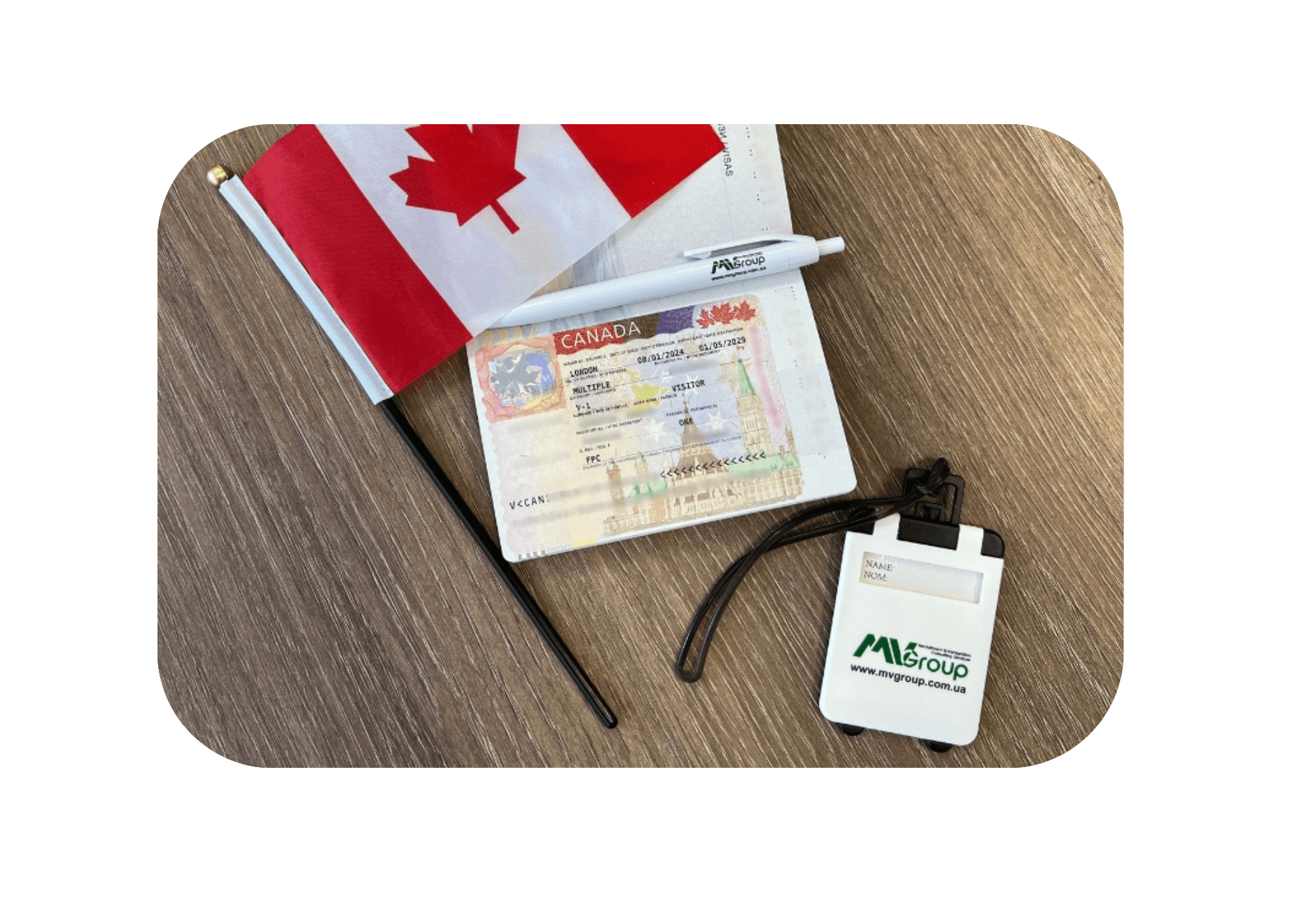
Study Permit or Not?
For Canada, the most important administrative question is usually:
“Do I need a study permit?”
—not simply:
“Do I need a visa?”
Canada clearly distinguishes:
short-term studies;
long-term studies;
and minors studying abroad alone.
According to the official Canadian government framework, minors who plan to study in Canada generally need a valid study permit before entering the country, especially for structured school programs.
For long-term academic projects, the study permit usually becomes the central foundation of the entire application process.
The Special Case of Studies Lasting 6 Months or Less
Canada provides an important exception for certain short-term programs.
If studies last 6 months or less, students may sometimes study without a study permit, provided that:
the program is genuinely short-term;
it is completed within the authorized stay period;
and it is not part of a longer academic pathway.
However, some students may still choose to apply for a study permit even for shorter projects depending on:
future plans;
program structure;
or administrative convenience.
This distinction is important because it separates:
short-term language stays;
from semester or full academic exchange programs, which much more often require a study permit.
Study Permits for Long-Term Projects
For longer academic projects in Canada, the normal framework is usually the study permit.
In most cases, students generally need to:
be accepted into a designated institution;
demonstrate sufficient financial resources;
and meet certain legal or medical requirements if requested.
Required documents may often include:
a letter of acceptance;
additional provincial documentation in some cases;
and, for Quebec, a CAQ depending on the situation.
Long-term projects therefore usually involve more preparation and more administrative anticipation than shorter stays.
Understanding Placement and Host Family Timing
For exchange students living with host families, placement timing can vary significantly.
Sometimes placements happen quickly.
Other times, they may take:
several weeks;
or even several months depending on:
the student profile;
the destination;
the season;
and host family availability.
This is important to understand:
a longer placement process does not automatically mean something is wrong.
Host families themselves usually complete:
detailed profiles;
interviews;
or evaluations designed to ensure a safe and compatible placement.
The goal is generally to create:
a stable environment;
realistic compatibility;
and appropriate living conditions for the student.
eTA or Visitor Visa: What’s the Difference?
Depending on nationality, students may also need:
an eTA (Electronic Travel Authorization);
or a visitor visa in addition to the study permit.
These documents are not replacements for the study permit.
They are additional travel authorization elements connected to entering Canada legally.
For eligible nationalities traveling by air, the eTA is an electronic authorization system currently associated with a small processing fee.
Administrative requirements vary depending on:
nationality;
travel method;
and program type.
Minors, Guardians and Custodians
For minors studying alone in Canada, the question of a local custodian can become important.
Canadian authorities may require:
a custodian arrangement;
or additional legal supervision documentation for minors.
This generally aims to ensure:
student safety;
local support;
and appropriate supervision during the stay.
Families should therefore not assume:
“Canada is automatically simple.”
For minors in structured long-term programs, the administrative framework can still be detailed and important to understand carefully.
What Families Should Prepare in Advance
For a structured exchange project in Canada, families usually need to anticipate:
program acceptance;
official letters of acceptance;
study permit applications if required;
possible eTA or visitor visa requirements;
travel documents;
and arrival preparation.
Before entering Canada, students may also generally need:
a valid passport;
approval documents;
acceptance letters;
and any additional immigration paperwork requested.
Good anticipation often reduces stress significantly during the final preparation phase.
What You Should Remember
For Canada, the real question is often not simply:
“Visa or no visa?”
but rather:
“Does this project require a study permit?”
For short-term programs lasting 6 months or less, a permit may not always be required in certain situations.
For:
semesters abroad;
academic years;
or structured school programs for minors,
the study permit usually becomes the main administrative framework.
Depending on nationality, additional travel authorization such as:
an eTA;
or a visitor visa
may also become part of the process afterward.

Community & Platform for Exchange Students Worldwide
Study Permit or Not?
For Canada, the most important administrative question is usually:
“Do I need a study permit?”
—not simply:
“Do I need a visa?”
Canada clearly distinguishes:
short-term studies;
long-term studies;
and minors studying abroad alone.
According to the official Canadian government framework, minors who plan to study in Canada generally need a valid study permit before entering the country, especially for structured school programs.
For long-term academic projects, the study permit usually becomes the central foundation of the entire application process.
The Special Case of Studies Lasting 6 Months or Less
Canada provides an important exception for certain short-term programs.
If studies last 6 months or less, students may sometimes study without a study permit, provided that:
the program is genuinely short-term;
it is completed within the authorized stay period;
and it is not part of a longer academic pathway.
However, some students may still choose to apply for a study permit even for shorter projects depending on:
future plans;
program structure;
or administrative convenience.
This distinction is important because it separates:
short-term language stays;
from semester or full academic exchange programs, which much more often require a study permit.
Study Permits for Long-Term Projects
For longer academic projects in Canada, the normal framework is usually the study permit.
In most cases, students generally need to:
be accepted into a designated institution;
demonstrate sufficient financial resources;
and meet certain legal or medical requirements if requested.
Required documents may often include:
a letter of acceptance;
additional provincial documentation in some cases;
and, for Quebec, a CAQ depending on the situation.
Long-term projects therefore usually involve more preparation and more administrative anticipation than shorter stays.
Understanding Placement and Host Family Timing
For exchange students living with host families, placement timing can vary significantly.
Sometimes placements happen quickly.
Other times, they may take:
several weeks;
or even several months depending on:
the student profile;
the destination;
the season;
and host family availability.
This is important to understand:
a longer placement process does not automatically mean something is wrong.
Host families themselves usually complete:
detailed profiles;
interviews;
or evaluations designed to ensure a safe and compatible placement.
The goal is generally to create:
a stable environment;
realistic compatibility;
and appropriate living conditions for the student.
eTA or Visitor Visa: What’s the Difference?
Depending on nationality, students may also need:
an eTA (Electronic Travel Authorization);
or a visitor visa in addition to the study permit.
These documents are not replacements for the study permit.
They are additional travel authorization elements connected to entering Canada legally.
For eligible nationalities traveling by air, the eTA is an electronic authorization system currently associated with a small processing fee.
Administrative requirements vary depending on:
nationality;
travel method;
and program type.
Minors, Guardians and Custodians
For minors studying alone in Canada, the question of a local custodian can become important.
Canadian authorities may require:
a custodian arrangement;
or additional legal supervision documentation for minors.
This generally aims to ensure:
student safety;
local support;
and appropriate supervision during the stay.
Families should therefore not assume:
“Canada is automatically simple.”
For minors in structured long-term programs, the administrative framework can still be detailed and important to understand carefully.
What Families Should Prepare in Advance
For a structured exchange project in Canada, families usually need to anticipate:
program acceptance;
official letters of acceptance;
study permit applications if required;
possible eTA or visitor visa requirements;
travel documents;
and arrival preparation.
Before entering Canada, students may also generally need:
a valid passport;
approval documents;
acceptance letters;
and any additional immigration paperwork requested.
Good anticipation often reduces stress significantly during the final preparation phase.
What You Should Remember
For Canada, the real question is often not simply:
“Visa or no visa?”
but rather:
“Does this project require a study permit?”
For short-term programs lasting 6 months or less, a permit may not always be required in certain situations.
For:
semesters abroad;
academic years;
or structured school programs for minors,
the study permit usually becomes the main administrative framework.
Depending on nationality, additional travel authorization such as:
an eTA;
or a visitor visa
may also become part of the process afterward.
Community & Platform for Exchange Students Worldwide
Study Permit or Not?
For Canada, the most important administrative question is usually:
“Do I need a study permit?”
—not simply:
“Do I need a visa?”
Canada clearly distinguishes:
short-term studies;
long-term studies;
and minors studying abroad alone.
According to the official Canadian government framework, minors who plan to study in Canada generally need a valid study permit before entering the country, especially for structured school programs.
For long-term academic projects, the study permit usually becomes the central foundation of the entire application process.
The Special Case of Studies Lasting 6 Months or Less
Canada provides an important exception for certain short-term programs.
If studies last 6 months or less, students may sometimes study without a study permit, provided that:
the program is genuinely short-term;
it is completed within the authorized stay period;
and it is not part of a longer academic pathway.
However, some students may still choose to apply for a study permit even for shorter projects depending on:
future plans;
program structure;
or administrative convenience.
This distinction is important because it separates:
short-term language stays;
from semester or full academic exchange programs, which much more often require a study permit.
Study Permits for Long-Term Projects
For longer academic projects in Canada, the normal framework is usually the study permit.
In most cases, students generally need to:
be accepted into a designated institution;
demonstrate sufficient financial resources;
and meet certain legal or medical requirements if requested.
Required documents may often include:
a letter of acceptance;
additional provincial documentation in some cases;
and, for Quebec, a CAQ depending on the situation.
Long-term projects therefore usually involve more preparation and more administrative anticipation than shorter stays.
Understanding Placement and Host Family Timing
For exchange students living with host families, placement timing can vary significantly.
Sometimes placements happen quickly.
Other times, they may take:
several weeks;
or even several months depending on:
the student profile;
the destination;
the season;
and host family availability.
This is important to understand:
a longer placement process does not automatically mean something is wrong.
Host families themselves usually complete:
detailed profiles;
interviews;
or evaluations designed to ensure a safe and compatible placement.
The goal is generally to create:
a stable environment;
realistic compatibility;
and appropriate living conditions for the student.
eTA or Visitor Visa: What’s the Difference?
Depending on nationality, students may also need:
an eTA (Electronic Travel Authorization);
or a visitor visa in addition to the study permit.
These documents are not replacements for the study permit.
They are additional travel authorization elements connected to entering Canada legally.
For eligible nationalities traveling by air, the eTA is an electronic authorization system currently associated with a small processing fee.
Administrative requirements vary depending on:
nationality;
travel method;
and program type.
Minors, Guardians and Custodians
For minors studying alone in Canada, the question of a local custodian can become important.
Canadian authorities may require:
a custodian arrangement;
or additional legal supervision documentation for minors.
This generally aims to ensure:
student safety;
local support;
and appropriate supervision during the stay.
Families should therefore not assume:
“Canada is automatically simple.”
For minors in structured long-term programs, the administrative framework can still be detailed and important to understand carefully.
What Families Should Prepare in Advance
For a structured exchange project in Canada, families usually need to anticipate:
program acceptance;
official letters of acceptance;
study permit applications if required;
possible eTA or visitor visa requirements;
travel documents;
and arrival preparation.
Before entering Canada, students may also generally need:
a valid passport;
approval documents;
acceptance letters;
and any additional immigration paperwork requested.
Good anticipation often reduces stress significantly during the final preparation phase.
What You Should Remember
For Canada, the real question is often not simply:
“Visa or no visa?”
but rather:
“Does this project require a study permit?”
For short-term programs lasting 6 months or less, a permit may not always be required in certain situations.
For:
semesters abroad;
academic years;
or structured school programs for minors,
the study permit usually becomes the main administrative framework.
Depending on nationality, additional travel authorization such as:
an eTA;
or a visitor visa
may also become part of the process afterward.
Community & Platform for Exchange Students Worldwide