
Everyday Life in the USA: Host Family, Routine, Habits and Adaptation
Daily life in the United States is often shaped by host family routines, school life, activities and cultural adaptation.
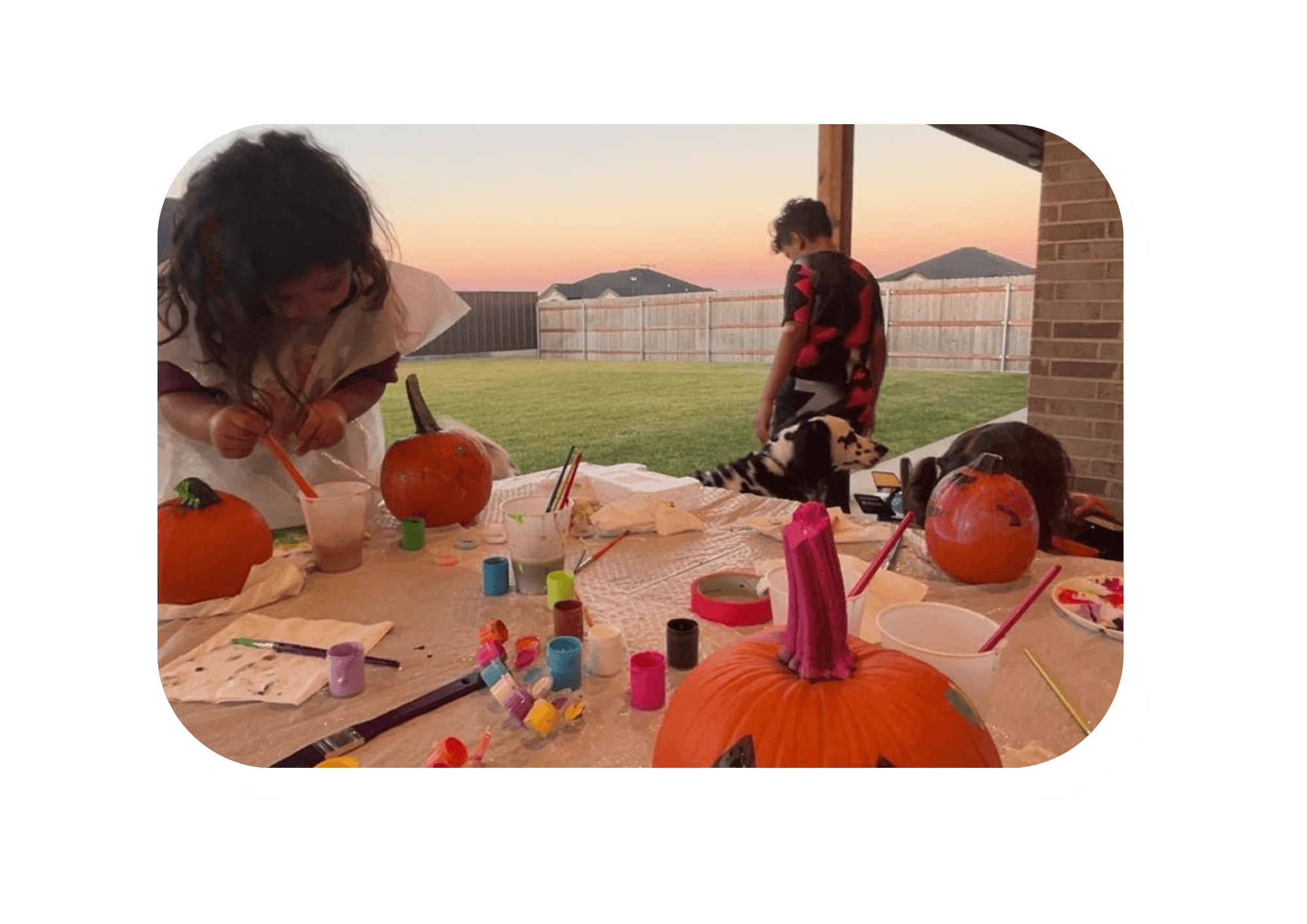
Everyday Life Is the Real Exchange Experience
Once the project truly begins, the biggest change is often not:
the paperwork;
or even the school itself.
It is everyday life.
The real exchange experience often happens through:
routines;
family life;
schedules;
meals;
activities;
communication habits;
and the rhythm of daily living.
This is what gradually makes life in the United States feel real.

Daily Life With a Host Family
For most exchange students, the host family becomes the center of everyday life abroad.
Living with a host family generally means becoming part of the household — not simply staying there temporarily.
Students are usually expected to:
participate naturally in daily life;
help with small household tasks;
keep their room organized;
respect house rules;
and contribute respectfully to the family environment.
The goal is not:
“helping as a guest.”
The goal is learning to live as part of the household.
Simple gestures often help integration significantly:
offering help;
participating in conversations;
spending time with the family;
or showing interest in everyday routines.
For many students, these small everyday moments become some of the most meaningful parts of the experience.
The Rhythm of the Week
During the week, daily life often revolves around:
high school;
homework;
extracurricular activities;
sports;
and social life.
An exchange experience is rarely limited to:
“just attending classes.”
A large part of the experience happens:
before school;
after school;
during activities;
and through social integration in everyday routines.
Over time, students progressively build:
friendships;
habits;
confidence;
and their own place within this new environment.
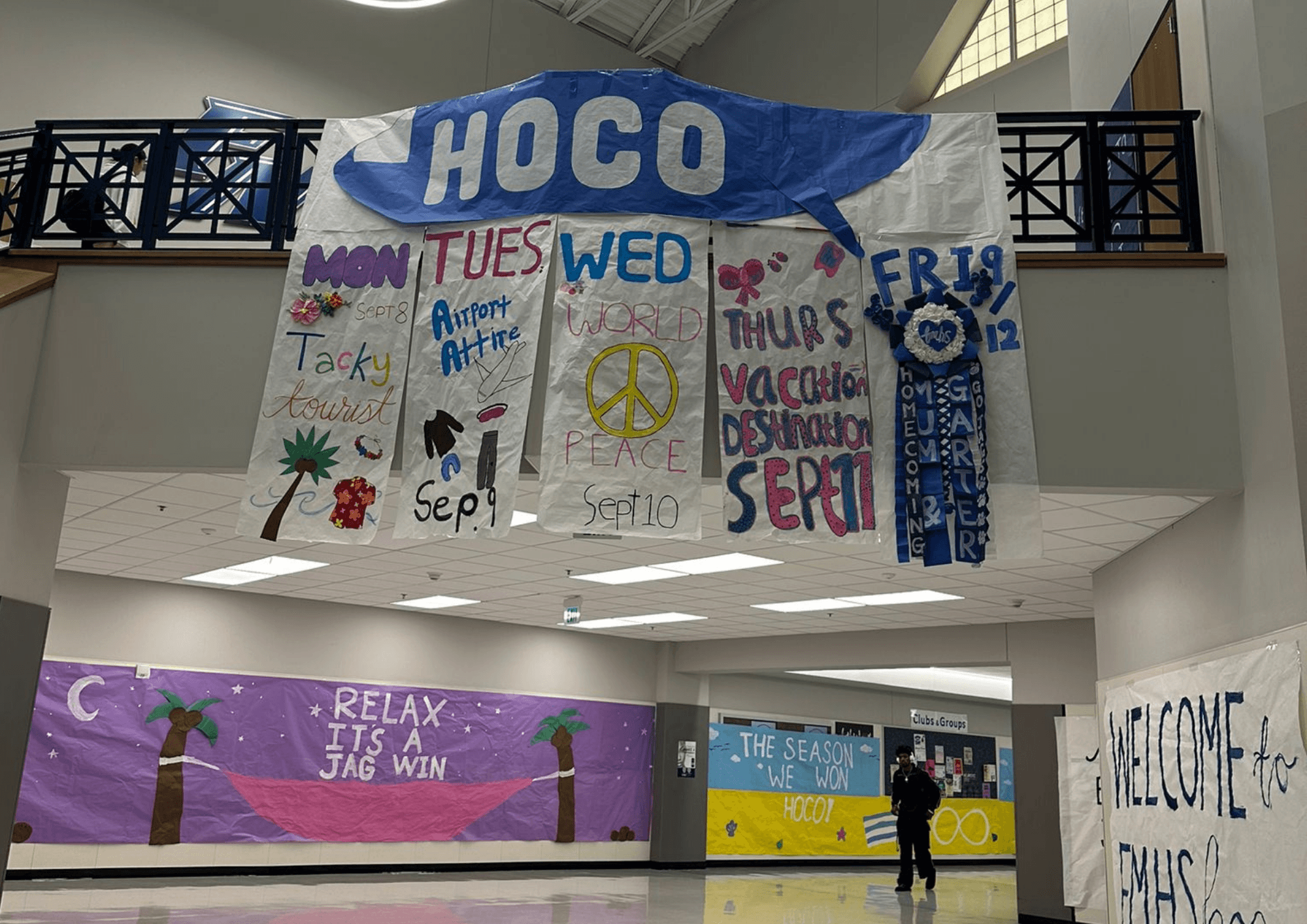
Weekends in the USA
Weekends can look very different depending on:
the host family;
the region;
the school;
activities;
and the season.
Many students experience:
family outings;
time with friends;
sports competitions;
school events;
shopping trips;
or local traditions.
In the United States, school spirit and extracurricular life can also play a major role in weekend activities.
Two exchange students in the USA may therefore have completely different experiences depending on:
their location;
school culture;
family dynamic;
and lifestyle.
Small Everyday Differences Can Feel Surprising
What surprises students most is often not only the “big” cultural differences.
Sometimes, it is the smaller details of everyday life such as:
family routines;
communication styles;
schedules;
social habits;
household expectations;
or regional traditions.
The United States is also very diverse geographically and culturally.
Daily life in:
Texas;
California;
Florida;
or the Midwest
may feel completely different.
Part of the exchange experience is accepting that:
each family;
each region;
and each environment
has its own way of functioning.
How to Adapt More Easily
Students often adapt more smoothly when they:
stay open-minded;
ask questions;
avoid isolating themselves;
participate actively;
and accept that adaptation takes time.
Integration is rarely immediate.
Most students need:
patience;
observation;
curiosity;
and personal involvement before fully feeling comfortable.
Feeling uncertain or overwhelmed at first is completely normal.
What You Should Remember
Daily life in the USA is not simply:
“living inside a movie.”
It involves:
another rhythm;
different habits;
different expectations;
and another way of living everyday life.
The more students choose to actively participate in this new daily environment instead of remaining observers, the richer and more rewarding the exchange experience usually becomes.

Community & Platform for Exchange Students Worldwide
Everyday Life Is the Real Exchange Experience
Once the project truly begins, the biggest change is often not:
the paperwork;
or even the school itself.
It is everyday life.
The real exchange experience often happens through:
routines;
family life;
schedules;
meals;
activities;
communication habits;
and the rhythm of daily living.
This is what gradually makes life in the United States feel real.
Daily Life With a Host Family
For most exchange students, the host family becomes the center of everyday life abroad.
Living with a host family generally means becoming part of the household — not simply staying there temporarily.
Students are usually expected to:
participate naturally in daily life;
help with small household tasks;
keep their room organized;
respect house rules;
and contribute respectfully to the family environment.
The goal is not:
“helping as a guest.”
The goal is learning to live as part of the household.
Simple gestures often help integration significantly:
offering help;
participating in conversations;
spending time with the family;
or showing interest in everyday routines.
For many students, these small everyday moments become some of the most meaningful parts of the experience.
The Rhythm of the Week
During the week, daily life often revolves around:
high school;
homework;
extracurricular activities;
sports;
and social life.
An exchange experience is rarely limited to:
“just attending classes.”
A large part of the experience happens:
before school;
after school;
during activities;
and through social integration in everyday routines.
Over time, students progressively build:
friendships;
habits;
confidence;
and their own place within this new environment.
Weekends in the USA
Weekends can look very different depending on:
the host family;
the region;
the school;
activities;
and the season.
Many students experience:
family outings;
time with friends;
sports competitions;
school events;
shopping trips;
or local traditions.
In the United States, school spirit and extracurricular life can also play a major role in weekend activities.
Two exchange students in the USA may therefore have completely different experiences depending on:
their location;
school culture;
family dynamic;
and lifestyle.
Small Everyday Differences Can Feel Surprising
What surprises students most is often not only the “big” cultural differences.
Sometimes, it is the smaller details of everyday life such as:
family routines;
communication styles;
schedules;
social habits;
household expectations;
or regional traditions.
The United States is also very diverse geographically and culturally.
Daily life in:
Texas;
California;
Florida;
or the Midwest
may feel completely different.
Part of the exchange experience is accepting that:
each family;
each region;
and each environment
has its own way of functioning.
How to Adapt More Easily
Students often adapt more smoothly when they:
stay open-minded;
ask questions;
avoid isolating themselves;
participate actively;
and accept that adaptation takes time.
Integration is rarely immediate.
Most students need:
patience;
observation;
curiosity;
and personal involvement before fully feeling comfortable.
Feeling uncertain or overwhelmed at first is completely normal.
What You Should Remember
Daily life in the USA is not simply:
“living inside a movie.”
It involves:
another rhythm;
different habits;
different expectations;
and another way of living everyday life.
The more students choose to actively participate in this new daily environment instead of remaining observers, the richer and more rewarding the exchange experience usually becomes.
Community & Platform for Exchange Students Worldwide
Everyday Life Is the Real Exchange Experience
Once the project truly begins, the biggest change is often not:
the paperwork;
or even the school itself.
It is everyday life.
The real exchange experience often happens through:
routines;
family life;
schedules;
meals;
activities;
communication habits;
and the rhythm of daily living.
This is what gradually makes life in the United States feel real.
Daily Life With a Host Family
For most exchange students, the host family becomes the center of everyday life abroad.
Living with a host family generally means becoming part of the household — not simply staying there temporarily.
Students are usually expected to:
participate naturally in daily life;
help with small household tasks;
keep their room organized;
respect house rules;
and contribute respectfully to the family environment.
The goal is not:
“helping as a guest.”
The goal is learning to live as part of the household.
Simple gestures often help integration significantly:
offering help;
participating in conversations;
spending time with the family;
or showing interest in everyday routines.
For many students, these small everyday moments become some of the most meaningful parts of the experience.
The Rhythm of the Week
During the week, daily life often revolves around:
high school;
homework;
extracurricular activities;
sports;
and social life.
An exchange experience is rarely limited to:
“just attending classes.”
A large part of the experience happens:
before school;
after school;
during activities;
and through social integration in everyday routines.
Over time, students progressively build:
friendships;
habits;
confidence;
and their own place within this new environment.
Weekends in the USA
Weekends can look very different depending on:
the host family;
the region;
the school;
activities;
and the season.
Many students experience:
family outings;
time with friends;
sports competitions;
school events;
shopping trips;
or local traditions.
In the United States, school spirit and extracurricular life can also play a major role in weekend activities.
Two exchange students in the USA may therefore have completely different experiences depending on:
their location;
school culture;
family dynamic;
and lifestyle.
Small Everyday Differences Can Feel Surprising
What surprises students most is often not only the “big” cultural differences.
Sometimes, it is the smaller details of everyday life such as:
family routines;
communication styles;
schedules;
social habits;
household expectations;
or regional traditions.
The United States is also very diverse geographically and culturally.
Daily life in:
Texas;
California;
Florida;
or the Midwest
may feel completely different.
Part of the exchange experience is accepting that:
each family;
each region;
and each environment
has its own way of functioning.
How to Adapt More Easily
Students often adapt more smoothly when they:
stay open-minded;
ask questions;
avoid isolating themselves;
participate actively;
and accept that adaptation takes time.
Integration is rarely immediate.
Most students need:
patience;
observation;
curiosity;
and personal involvement before fully feeling comfortable.
Feeling uncertain or overwhelmed at first is completely normal.
What You Should Remember
Daily life in the USA is not simply:
“living inside a movie.”
It involves:
another rhythm;
different habits;
different expectations;
and another way of living everyday life.
The more students choose to actively participate in this new daily environment instead of remaining observers, the richer and more rewarding the exchange experience usually becomes.
Community & Platform for Exchange Students Worldwide