
Programs in the USA: Short Stay, Semester or School Year
A few weeks in the USA, one semester abroad or a full academic year are completely different experiences in terms of immersion..

Not Every USA Exchange Project Means the Same Thing
Saying:
“I want to go to the USA”
can actually refer to very different types of experiences.
Between:
a short-term immersion;
a semester abroad;
and a full academic year,
the differences can be huge regarding:
immersion;
English progression;
emotional intensity;
independence;
budget;
and the depth of the experience itself.
Before comparing:
prices;
schools;
or destinations,
it is important to first understand:
what type of project you are actually looking for.
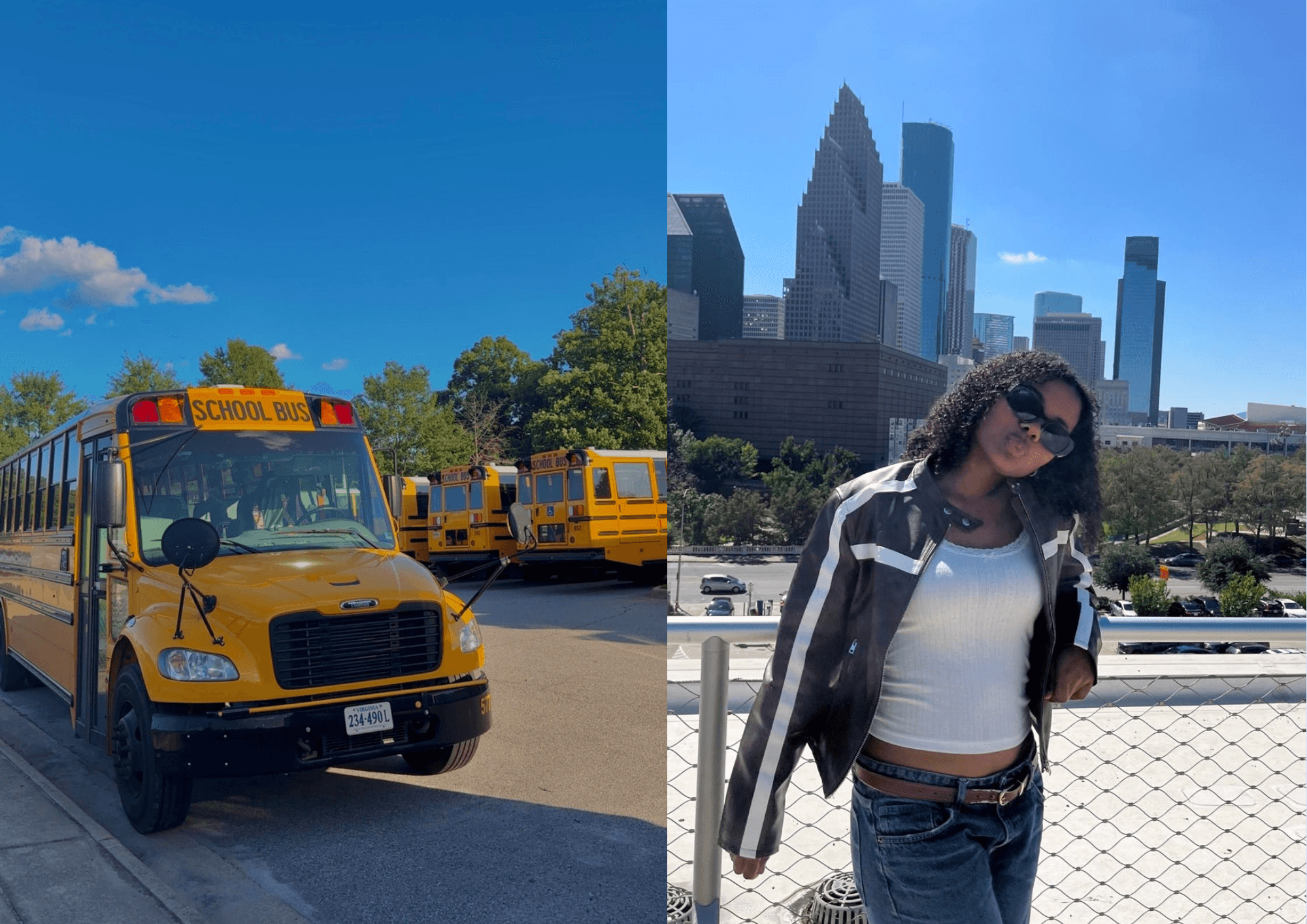
The Main Types of Programs
Most USA exchange experiences generally fall into two major categories:
short-term stays;
and long-term academic immersion programs.
Short-term stays are often:
2 to 4 weeks;
organized during school holidays;
and designed as a first international experience.
Long-term programs usually involve:
a semester;
or a full academic year
inside an American high school environment.
The difference is important.
Many students and parents think they want:
“an exchange in the USA”
when in reality they are hesitating between:
discovering America briefly;
or fully living inside another educational and cultural system for months.
These are not the same experiences at all.
Short-Term Programs
Short-term stays are often an excellent first step into international immersion.
They allow students to:
discover another country;
practice English;
experience life abroad;
and build confidence without leaving their regular school system for too long.
This format often works especially well for:
younger students;
first-time travelers;
hesitant profiles;
or families wanting a more reassuring first experience.
Short-term programs also offer several advantages:
less emotional pressure;
easier academic integration back home;
lower long-term commitment;
and a softer introduction to international immersion.
However, it is important to stay realistic.
A short stay usually does not create:
the same depth of transformation;
the same adaptation process;
or the same level of integration as a semester or full academic year.
Students often:
discover;
improve;
and grow,
but without necessarily reaching the deeper phases of long-term adaptation.
Semester Programs
The semester format is often underestimated.
It already creates:
a real immersion experience;
stronger language progression;
and more meaningful adaptation to local life.
For many students, it represents:
a strong balance between immersion and duration.
A semester abroad often allows students to:
settle into school life;
integrate socially more naturally;
gain confidence in English;
and experience a true “before and after” personal evolution.
At the same time, it remains:
less emotionally intense;
and less disruptive than a full academic year.
For students who want:
more than a short discovery;
but are not yet ready for a complete year abroad,
the semester can be an excellent middle ground.
The Full Academic Year / High School Experience
The academic year remains the most immersive format.
Students are no longer simply:
“visiting another country.”
They progressively begin living:
like local students;
inside another school system;
another family environment;
and another culture for an extended period.
This format often creates:
the strongest English progression;
the deepest cultural immersion;
the greatest personal growth;
and the most lasting memories.
At the same time, it is also:
the most demanding emotionally;
administratively;
academically;
and financially.
Students stay away from their normal environment much longer.
Adaptation requires:
patience;
resilience;
openness;
and long-term consistency.
But for many students, this becomes the most transformative experience of their life.
How to Choose Between Different Formats
The right choice depends on much more than:
budget;
or destination.
It also depends on:
the student’s personality;
maturity;
emotional readiness;
school situation;
motivation;
and family dynamics.
Helpful questions may include:
Is this a first international experience?
Does the student mainly want to discover or deeply integrate?
Is the family emotionally ready for a long absence?
Does the current school situation allow a longer project?
Is the project mature already or still exploratory?
There is no:
“perfect profile.”
The goal is simply finding:
the most coherent format for the student and family situation.
Which Format Fits Which Type of Student?
Short-Term Stay
Often best for:
first immersion experiences;
younger students;
exploratory projects;
and students wanting to test international life without major disruption.
Semester Abroad
Often best for:
students wanting real immersion;
stronger adaptation experiences;
and families looking for a balance between depth and duration.
Full Academic Year / High School
Often best for:
highly motivated students;
strong cultural immersion goals;
long-term personal growth;
and students ready to adapt deeply over time.
What You Should Remember
A short stay helps students:
discover.
A semester helps students:
begin to settle into another life.
A full academic year helps students:
truly live an immersive experience.
There is no universally “best” format.
There is simply:
a format more coherent with the student’s personality;
maturity;
goals;
and current stage of life.

Community & Platform for Exchange Students Worldwide
Not Every USA Exchange Project Means the Same Thing
Saying:
“I want to go to the USA”
can actually refer to very different types of experiences.
Between:
a short-term immersion;
a semester abroad;
and a full academic year,
the differences can be huge regarding:
immersion;
English progression;
emotional intensity;
independence;
budget;
and the depth of the experience itself.
Before comparing:
prices;
schools;
or destinations,
it is important to first understand:
what type of project you are actually looking for.
The Main Types of Programs
Most USA exchange experiences generally fall into two major categories:
short-term stays;
and long-term academic immersion programs.
Short-term stays are often:
2 to 4 weeks;
organized during school holidays;
and designed as a first international experience.
Long-term programs usually involve:
a semester;
or a full academic year
inside an American high school environment.
The difference is important.
Many students and parents think they want:
“an exchange in the USA”
when in reality they are hesitating between:
discovering America briefly;
or fully living inside another educational and cultural system for months.
These are not the same experiences at all.
Short-Term Programs
Short-term stays are often an excellent first step into international immersion.
They allow students to:
discover another country;
practice English;
experience life abroad;
and build confidence without leaving their regular school system for too long.
This format often works especially well for:
younger students;
first-time travelers;
hesitant profiles;
or families wanting a more reassuring first experience.
Short-term programs also offer several advantages:
less emotional pressure;
easier academic integration back home;
lower long-term commitment;
and a softer introduction to international immersion.
However, it is important to stay realistic.
A short stay usually does not create:
the same depth of transformation;
the same adaptation process;
or the same level of integration as a semester or full academic year.
Students often:
discover;
improve;
and grow,
but without necessarily reaching the deeper phases of long-term adaptation.
Semester Programs
The semester format is often underestimated.
It already creates:
a real immersion experience;
stronger language progression;
and more meaningful adaptation to local life.
For many students, it represents:
a strong balance between immersion and duration.
A semester abroad often allows students to:
settle into school life;
integrate socially more naturally;
gain confidence in English;
and experience a true “before and after” personal evolution.
At the same time, it remains:
less emotionally intense;
and less disruptive than a full academic year.
For students who want:
more than a short discovery;
but are not yet ready for a complete year abroad,
the semester can be an excellent middle ground.
The Full Academic Year / High School Experience
The academic year remains the most immersive format.
Students are no longer simply:
“visiting another country.”
They progressively begin living:
like local students;
inside another school system;
another family environment;
and another culture for an extended period.
This format often creates:
the strongest English progression;
the deepest cultural immersion;
the greatest personal growth;
and the most lasting memories.
At the same time, it is also:
the most demanding emotionally;
administratively;
academically;
and financially.
Students stay away from their normal environment much longer.
Adaptation requires:
patience;
resilience;
openness;
and long-term consistency.
But for many students, this becomes the most transformative experience of their life.
How to Choose Between Different Formats
The right choice depends on much more than:
budget;
or destination.
It also depends on:
the student’s personality;
maturity;
emotional readiness;
school situation;
motivation;
and family dynamics.
Helpful questions may include:
Is this a first international experience?
Does the student mainly want to discover or deeply integrate?
Is the family emotionally ready for a long absence?
Does the current school situation allow a longer project?
Is the project mature already or still exploratory?
There is no:
“perfect profile.”
The goal is simply finding:
the most coherent format for the student and family situation.
Which Format Fits Which Type of Student?
Short-Term Stay
Often best for:
first immersion experiences;
younger students;
exploratory projects;
and students wanting to test international life without major disruption.
Semester Abroad
Often best for:
students wanting real immersion;
stronger adaptation experiences;
and families looking for a balance between depth and duration.
Full Academic Year / High School
Often best for:
highly motivated students;
strong cultural immersion goals;
long-term personal growth;
and students ready to adapt deeply over time.
What You Should Remember
A short stay helps students:
discover.
A semester helps students:
begin to settle into another life.
A full academic year helps students:
truly live an immersive experience.
There is no universally “best” format.
There is simply:
a format more coherent with the student’s personality;
maturity;
goals;
and current stage of life.
Community & Platform for Exchange Students Worldwide
Not Every USA Exchange Project Means the Same Thing
Saying:
“I want to go to the USA”
can actually refer to very different types of experiences.
Between:
a short-term immersion;
a semester abroad;
and a full academic year,
the differences can be huge regarding:
immersion;
English progression;
emotional intensity;
independence;
budget;
and the depth of the experience itself.
Before comparing:
prices;
schools;
or destinations,
it is important to first understand:
what type of project you are actually looking for.
The Main Types of Programs
Most USA exchange experiences generally fall into two major categories:
short-term stays;
and long-term academic immersion programs.
Short-term stays are often:
2 to 4 weeks;
organized during school holidays;
and designed as a first international experience.
Long-term programs usually involve:
a semester;
or a full academic year
inside an American high school environment.
The difference is important.
Many students and parents think they want:
“an exchange in the USA”
when in reality they are hesitating between:
discovering America briefly;
or fully living inside another educational and cultural system for months.
These are not the same experiences at all.
Short-Term Programs
Short-term stays are often an excellent first step into international immersion.
They allow students to:
discover another country;
practice English;
experience life abroad;
and build confidence without leaving their regular school system for too long.
This format often works especially well for:
younger students;
first-time travelers;
hesitant profiles;
or families wanting a more reassuring first experience.
Short-term programs also offer several advantages:
less emotional pressure;
easier academic integration back home;
lower long-term commitment;
and a softer introduction to international immersion.
However, it is important to stay realistic.
A short stay usually does not create:
the same depth of transformation;
the same adaptation process;
or the same level of integration as a semester or full academic year.
Students often:
discover;
improve;
and grow,
but without necessarily reaching the deeper phases of long-term adaptation.
Semester Programs
The semester format is often underestimated.
It already creates:
a real immersion experience;
stronger language progression;
and more meaningful adaptation to local life.
For many students, it represents:
a strong balance between immersion and duration.
A semester abroad often allows students to:
settle into school life;
integrate socially more naturally;
gain confidence in English;
and experience a true “before and after” personal evolution.
At the same time, it remains:
less emotionally intense;
and less disruptive than a full academic year.
For students who want:
more than a short discovery;
but are not yet ready for a complete year abroad,
the semester can be an excellent middle ground.
The Full Academic Year / High School Experience
The academic year remains the most immersive format.
Students are no longer simply:
“visiting another country.”
They progressively begin living:
like local students;
inside another school system;
another family environment;
and another culture for an extended period.
This format often creates:
the strongest English progression;
the deepest cultural immersion;
the greatest personal growth;
and the most lasting memories.
At the same time, it is also:
the most demanding emotionally;
administratively;
academically;
and financially.
Students stay away from their normal environment much longer.
Adaptation requires:
patience;
resilience;
openness;
and long-term consistency.
But for many students, this becomes the most transformative experience of their life.
How to Choose Between Different Formats
The right choice depends on much more than:
budget;
or destination.
It also depends on:
the student’s personality;
maturity;
emotional readiness;
school situation;
motivation;
and family dynamics.
Helpful questions may include:
Is this a first international experience?
Does the student mainly want to discover or deeply integrate?
Is the family emotionally ready for a long absence?
Does the current school situation allow a longer project?
Is the project mature already or still exploratory?
There is no:
“perfect profile.”
The goal is simply finding:
the most coherent format for the student and family situation.
Which Format Fits Which Type of Student?
Short-Term Stay
Often best for:
first immersion experiences;
younger students;
exploratory projects;
and students wanting to test international life without major disruption.
Semester Abroad
Often best for:
students wanting real immersion;
stronger adaptation experiences;
and families looking for a balance between depth and duration.
Full Academic Year / High School
Often best for:
highly motivated students;
strong cultural immersion goals;
long-term personal growth;
and students ready to adapt deeply over time.
What You Should Remember
A short stay helps students:
discover.
A semester helps students:
begin to settle into another life.
A full academic year helps students:
truly live an immersive experience.
There is no universally “best” format.
There is simply:
a format more coherent with the student’s personality;
maturity;
goals;
and current stage of life.
Community & Platform for Exchange Students Worldwide