
I’m Still Unsure: How to Choose the Right Exchange Project
Not knowing exactly what you want yet is normal — building a strong exchange project often happens step by step.
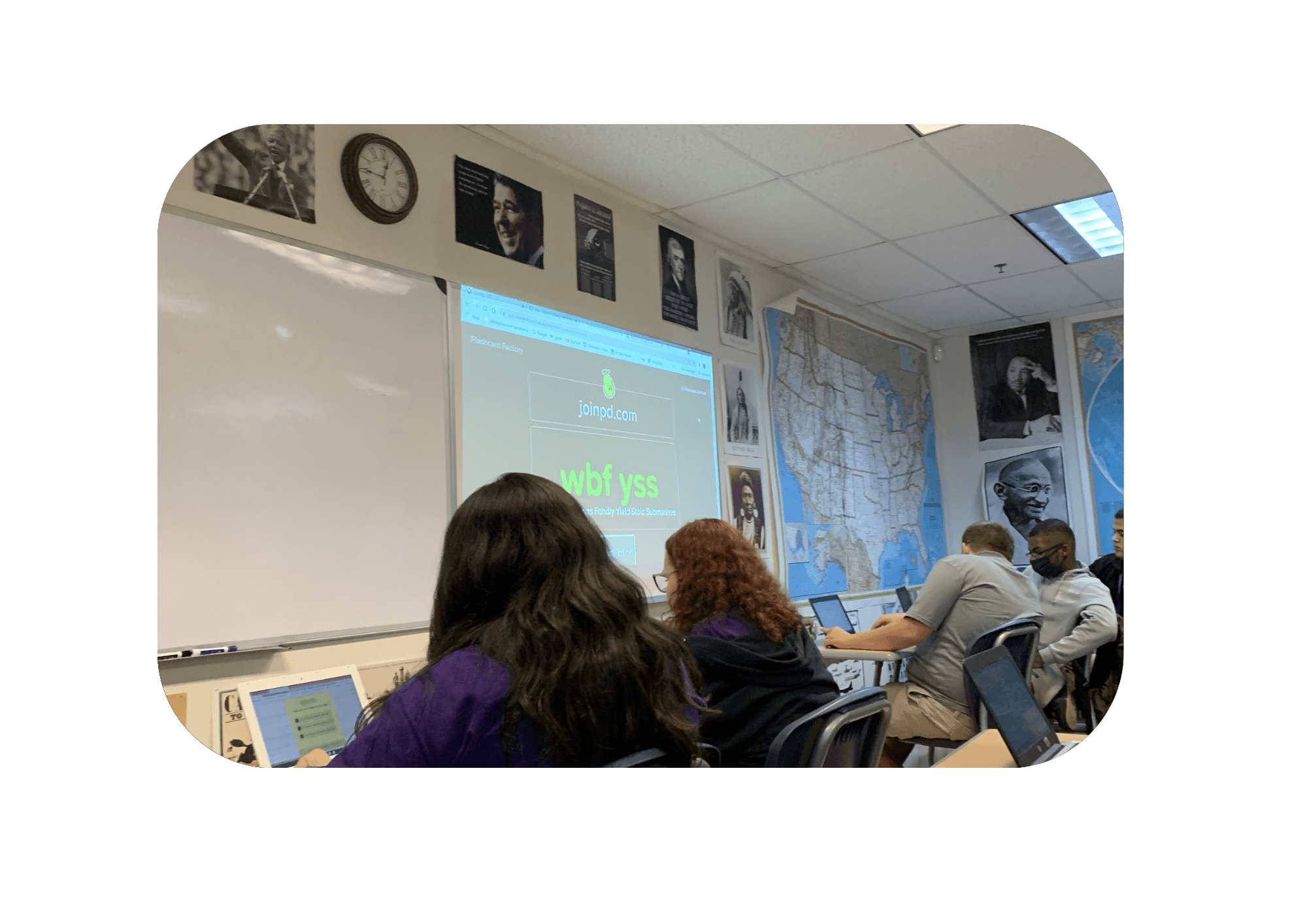
Not Knowing Yet Is Completely Normal
Not being fully sure about your project is not a problem.
In fact, it is often one of the healthiest starting points.
Many students know they want:
“to go abroad someday”
but still do not know:
where;
for how long;
in what kind of program;
or whether they are looking for a short language stay, a semester abroad or a full school year experience.
The goal is not to force a decision too early.
The goal is to gradually transform a vague idea into a clearer and more realistic project.
Why It’s Normal to Hesitate
Feeling uncertain is normal because studying abroad combines many different emotions and questions at the same time.
Students may feel:
excited about discovering the world;
motivated to improve their language skills;
curious about changing environments;
but also afraid of making the wrong choice.
There may also be:
school-related concerns;
budget questions;
family expectations;
or an unrealistic image of what “going abroad” actually looks like.
The mistake is not hesitating.
The mistake is believing you should already have every answer immediately.
The Real Questions to Ask Yourself
Instead of starting directly with:
“Which country should I choose?”
it is often more useful to begin with questions like:
Am I mainly looking for discovery or full immersion?
Do I imagine leaving for a few weeks or several months?
Is this my first real experience abroad?
Do I want a school-focused, language-focused or more exploratory experience?
Is my family emotionally and practically ready too?
Am I looking for something reassuring or something more ambitious?
These questions often help clarify a project much more effectively than immediately comparing many destinations.
Start With the Type of Experience
In many cases, the best starting point is not the country.
It is the format of the experience itself.
For example, if you want:
a first international experience;
language improvement without leaving for too long;
a project that does not completely disrupt your schooling;
then a short-term language stay may make more sense.
On the other hand, if you want:
deep cultural immersion;
integration into a local high school;
several months abroad;
a more life-changing experience;
then a long-term exchange program is probably closer to what you are looking for.
You Can Also Start With the Country
Some students already feel strongly attracted to a specific country.
In that case, it becomes important to understand what the destination actually changes in practice.
Different countries may involve:
different school systems;
visa requirements;
climates;
housing situations;
social environments;
cultural expectations;
and levels of flexibility within programs.
Looking beyond the “dream image” of a country often helps build a more realistic and better-prepared project.
What Your Hesitation Might Actually Mean
Sometimes hesitation simply means:
“I want to go, but I’m scared.”
Or:
“I want to leave, but maybe not too far away.”
Or:
“I love the idea, but I’m not fully sure I’m ready yet.”
And sometimes:
“My parents and I are not at the same level of clarity yet.”
None of this is a problem.
These questions are actually useful signals.
Listening to them honestly often helps create a stronger and more balanced project instead of rushing into decisions too quickly.
You Don’t Need to Decide Everything at Once
One of the biggest mistakes students make is thinking they must decide everything immediately.
In reality, it is often much easier to move step by step:
Clarify your main goal.
Understand the type of experience you want.
Compare only a few destinations at first.
Think about what the project means for your family too.
Refine your choices progressively.
This gradual process is often how exchange projects become stronger and more realistic over time.
Mistakes to Avoid at the Beginning
When starting your research, try to avoid:
choosing only based on a country’s image online;
confusing short-term programs with long-term exchanges;
comparing yourself too much to other students;
believing you must already feel “100% ready” immediately;
focusing only on the dream or only on the price.
Good preparation usually comes from:
clear information;
realistic expectations;
and understanding the real structure of the experience.
What You Should Remember
Saying:
“I’m not sure yet”
is not a weakness.
Very often, it is actually the beginning of a smarter and more thoughtful project.
The most important thing is not making a rushed decision.
It is understanding:
your goals;
your level of readiness;
and the type of experience that truly fits you best.
Once those foundations become clearer, choosing destinations and details usually becomes much easier and more natural afterward.

Community & Platform for Exchange Students Worldwide
Not Knowing Yet Is Completely Normal
Not being fully sure about your project is not a problem.
In fact, it is often one of the healthiest starting points.
Many students know they want:
“to go abroad someday”
but still do not know:
where;
for how long;
in what kind of program;
or whether they are looking for a short language stay, a semester abroad or a full school year experience.
The goal is not to force a decision too early.
The goal is to gradually transform a vague idea into a clearer and more realistic project.
Why It’s Normal to Hesitate
Feeling uncertain is normal because studying abroad combines many different emotions and questions at the same time.
Students may feel:
excited about discovering the world;
motivated to improve their language skills;
curious about changing environments;
but also afraid of making the wrong choice.
There may also be:
school-related concerns;
budget questions;
family expectations;
or an unrealistic image of what “going abroad” actually looks like.
The mistake is not hesitating.
The mistake is believing you should already have every answer immediately.
The Real Questions to Ask Yourself
Instead of starting directly with:
“Which country should I choose?”
it is often more useful to begin with questions like:
Am I mainly looking for discovery or full immersion?
Do I imagine leaving for a few weeks or several months?
Is this my first real experience abroad?
Do I want a school-focused, language-focused or more exploratory experience?
Is my family emotionally and practically ready too?
Am I looking for something reassuring or something more ambitious?
These questions often help clarify a project much more effectively than immediately comparing many destinations.
Start With the Type of Experience
In many cases, the best starting point is not the country.
It is the format of the experience itself.
For example, if you want:
a first international experience;
language improvement without leaving for too long;
a project that does not completely disrupt your schooling;
then a short-term language stay may make more sense.
On the other hand, if you want:
deep cultural immersion;
integration into a local high school;
several months abroad;
a more life-changing experience;
then a long-term exchange program is probably closer to what you are looking for.
You Can Also Start With the Country
Some students already feel strongly attracted to a specific country.
In that case, it becomes important to understand what the destination actually changes in practice.
Different countries may involve:
different school systems;
visa requirements;
climates;
housing situations;
social environments;
cultural expectations;
and levels of flexibility within programs.
Looking beyond the “dream image” of a country often helps build a more realistic and better-prepared project.
What Your Hesitation Might Actually Mean
Sometimes hesitation simply means:
“I want to go, but I’m scared.”
Or:
“I want to leave, but maybe not too far away.”
Or:
“I love the idea, but I’m not fully sure I’m ready yet.”
And sometimes:
“My parents and I are not at the same level of clarity yet.”
None of this is a problem.
These questions are actually useful signals.
Listening to them honestly often helps create a stronger and more balanced project instead of rushing into decisions too quickly.
You Don’t Need to Decide Everything at Once
One of the biggest mistakes students make is thinking they must decide everything immediately.
In reality, it is often much easier to move step by step:
Clarify your main goal.
Understand the type of experience you want.
Compare only a few destinations at first.
Think about what the project means for your family too.
Refine your choices progressively.
This gradual process is often how exchange projects become stronger and more realistic over time.
Mistakes to Avoid at the Beginning
When starting your research, try to avoid:
choosing only based on a country’s image online;
confusing short-term programs with long-term exchanges;
comparing yourself too much to other students;
believing you must already feel “100% ready” immediately;
focusing only on the dream or only on the price.
Good preparation usually comes from:
clear information;
realistic expectations;
and understanding the real structure of the experience.
What You Should Remember
Saying:
“I’m not sure yet”
is not a weakness.
Very often, it is actually the beginning of a smarter and more thoughtful project.
The most important thing is not making a rushed decision.
It is understanding:
your goals;
your level of readiness;
and the type of experience that truly fits you best.
Once those foundations become clearer, choosing destinations and details usually becomes much easier and more natural afterward.
Community & Platform for Exchange Students Worldwide
Not Knowing Yet Is Completely Normal
Not being fully sure about your project is not a problem.
In fact, it is often one of the healthiest starting points.
Many students know they want:
“to go abroad someday”
but still do not know:
where;
for how long;
in what kind of program;
or whether they are looking for a short language stay, a semester abroad or a full school year experience.
The goal is not to force a decision too early.
The goal is to gradually transform a vague idea into a clearer and more realistic project.
Why It’s Normal to Hesitate
Feeling uncertain is normal because studying abroad combines many different emotions and questions at the same time.
Students may feel:
excited about discovering the world;
motivated to improve their language skills;
curious about changing environments;
but also afraid of making the wrong choice.
There may also be:
school-related concerns;
budget questions;
family expectations;
or an unrealistic image of what “going abroad” actually looks like.
The mistake is not hesitating.
The mistake is believing you should already have every answer immediately.
The Real Questions to Ask Yourself
Instead of starting directly with:
“Which country should I choose?”
it is often more useful to begin with questions like:
Am I mainly looking for discovery or full immersion?
Do I imagine leaving for a few weeks or several months?
Is this my first real experience abroad?
Do I want a school-focused, language-focused or more exploratory experience?
Is my family emotionally and practically ready too?
Am I looking for something reassuring or something more ambitious?
These questions often help clarify a project much more effectively than immediately comparing many destinations.
Start With the Type of Experience
In many cases, the best starting point is not the country.
It is the format of the experience itself.
For example, if you want:
a first international experience;
language improvement without leaving for too long;
a project that does not completely disrupt your schooling;
then a short-term language stay may make more sense.
On the other hand, if you want:
deep cultural immersion;
integration into a local high school;
several months abroad;
a more life-changing experience;
then a long-term exchange program is probably closer to what you are looking for.
You Can Also Start With the Country
Some students already feel strongly attracted to a specific country.
In that case, it becomes important to understand what the destination actually changes in practice.
Different countries may involve:
different school systems;
visa requirements;
climates;
housing situations;
social environments;
cultural expectations;
and levels of flexibility within programs.
Looking beyond the “dream image” of a country often helps build a more realistic and better-prepared project.
What Your Hesitation Might Actually Mean
Sometimes hesitation simply means:
“I want to go, but I’m scared.”
Or:
“I want to leave, but maybe not too far away.”
Or:
“I love the idea, but I’m not fully sure I’m ready yet.”
And sometimes:
“My parents and I are not at the same level of clarity yet.”
None of this is a problem.
These questions are actually useful signals.
Listening to them honestly often helps create a stronger and more balanced project instead of rushing into decisions too quickly.
You Don’t Need to Decide Everything at Once
One of the biggest mistakes students make is thinking they must decide everything immediately.
In reality, it is often much easier to move step by step:
Clarify your main goal.
Understand the type of experience you want.
Compare only a few destinations at first.
Think about what the project means for your family too.
Refine your choices progressively.
This gradual process is often how exchange projects become stronger and more realistic over time.
Mistakes to Avoid at the Beginning
When starting your research, try to avoid:
choosing only based on a country’s image online;
confusing short-term programs with long-term exchanges;
comparing yourself too much to other students;
believing you must already feel “100% ready” immediately;
focusing only on the dream or only on the price.
Good preparation usually comes from:
clear information;
realistic expectations;
and understanding the real structure of the experience.
What You Should Remember
Saying:
“I’m not sure yet”
is not a weakness.
Very often, it is actually the beginning of a smarter and more thoughtful project.
The most important thing is not making a rushed decision.
It is understanding:
your goals;
your level of readiness;
and the type of experience that truly fits you best.
Once those foundations become clearer, choosing destinations and details usually becomes much easier and more natural afterward.
Community & Platform for Exchange Students Worldwide