
Short Language Stay: Choosing the Right Program and Preparing Properly
A short-term language stay is a great first international experience designed for language improvement, confidence and cultural discovery

What Is a Short-Term Language Stay Really For?
A short-term language stay is not a “mini exchange year abroad.”
It is a completely different type of experience with:
different goals;
different strengths;
and different limits.
These programs are usually designed to help students:
improve their language skills;
discover a new country;
gain confidence;
and experience their first international immersion in a more accessible format.
Depending on the program, the experience may include:
language classes;
cultural activities;
excursions;
host family accommodation;
student residences;
or campus-based environments.
Well-structured programs generally also include:
supervision;
emergency support systems;
accommodation organization;
transportation support;
and preparation before departure.
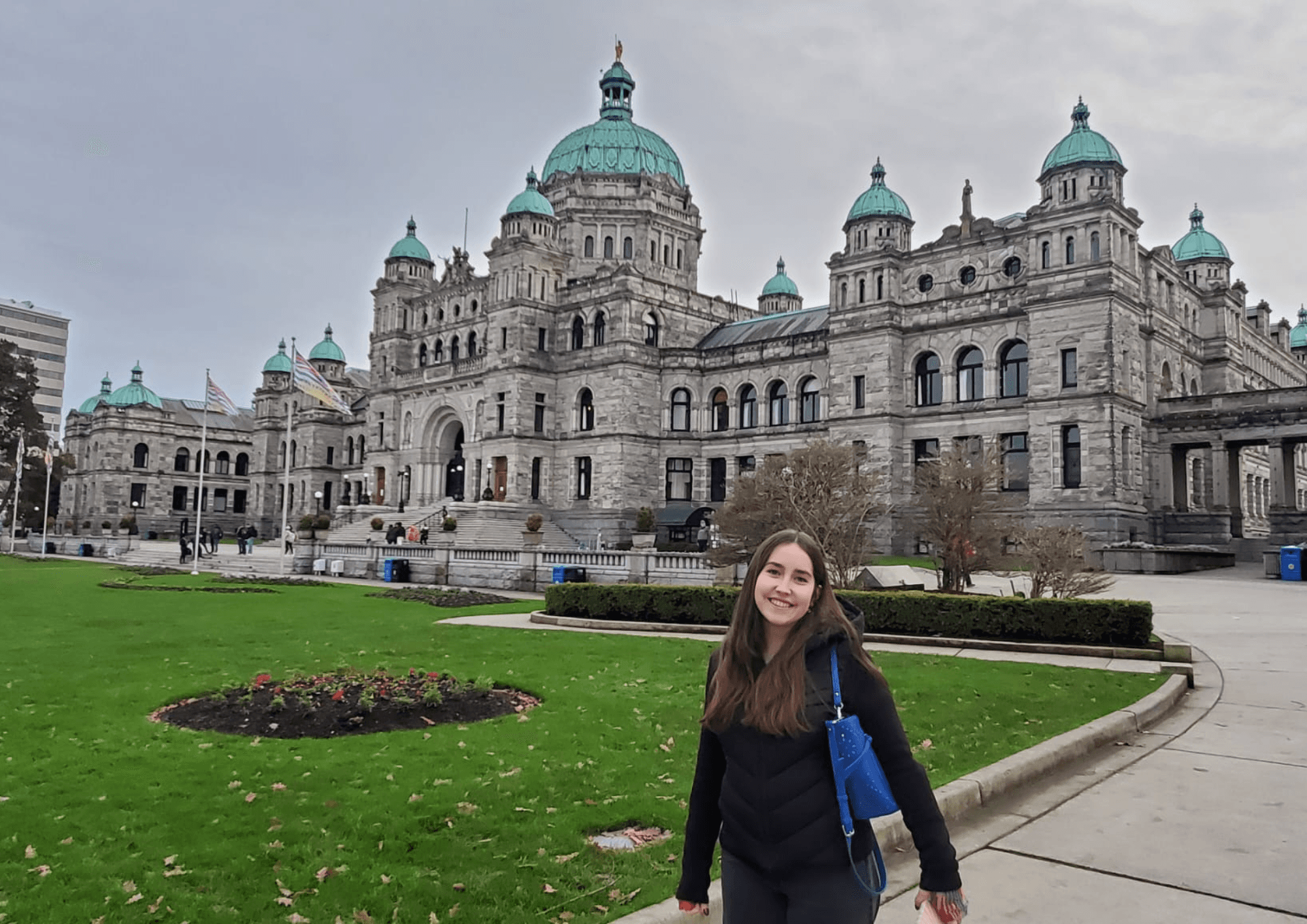
What Does a Short-Term Language Stay Actually Bring?
The main purpose of a short-term language stay is to experience the language in a more real and practical way.
Instead of only studying inside a classroom, students begin using the language:
during activities;
while traveling;
with host families;
with international students;
and in everyday situations abroad.
Even after only a few weeks, many students already feel:
more comfortable speaking;
less afraid of making mistakes;
and more confident interacting internationally.
At the same time, it is important to remain realistic.
A short-term stay does not usually create the same level of transformation as:
a semester abroad;
or a full academic year exchange.
It is generally:
a first immersion;
a confidence booster;
a discovery experience;
and sometimes a stepping stone toward bigger projects later.
Who Is This Format Best For?
Short-term language stays are often especially suitable for:
students leaving abroad for the first time;
students who want to improve without interrupting school for several months;
students who are still unsure about longer programs;
students who want to test international life before considering a long-term exchange;
and families looking for a shorter and more reassuring structure.
Different programs may also focus on:
standard language learning;
intensive courses;
exam preparation;
cultural activities;
or organized excursions.
This is why there is not just one type of language stay.
The right program often depends on the student’s personality, goals and comfort level.
What Is Usually Included?
Most short-term language stays generally include:
language classes during the week;
activities and visits;
accommodation;
supervision adapted to the age group;
international or sometimes national student groups;
and occasionally group travel support.
Some collective programs may also include:
group leaders;
organized transportation;
and structured supervision ratios for younger students.
Host Family, Residence or Campus?
Accommodation changes the experience significantly.
Host Family Accommodation
Living with a host family often creates:
stronger language immersion;
more cultural exposure;
and more everyday interaction with local life.
Students usually experience:
family routines;
local habits;
meals;
and daily communication more directly.
Residence or Campus Accommodation
Residences and campuses often create:
a more social atmosphere;
more independence;
and stronger interaction with other international students.
This format may suit students who prefer:
a more collective environment;
a more active social experience;
or less direct family immersion.
However, the everyday language immersion may sometimes feel less intense than with a host family.
What This Format Can — And Cannot — Do
A short-term language stay can help students:
improve oral comprehension and speaking;
become more confident;
discover another country;
gain independence;
and project themselves into future international experiences.
But it is also important to understand what this format does not always provide:
deep integration into a local school system;
long-term cultural adaptation;
or the same level of personal transformation as several months abroad.
In other words:
it is an excellent introduction to international experiences — but not a full substitute for long-term immersion.
How to Choose a Good Program
Before choosing a program, families should carefully look at:
the real duration of the stay;
the number of class hours;
the accommodation type;
the age range of participants;
the level of supervision;
included activities;
emergency procedures;
and what is or is not included in the price.
It is also important to verify:
preparation before departure;
accommodation quality;
24/7 emergency support;
local supervision;
and the professionalism of the educational staff.
What to Verify Before Departure
Before leaving, students and families should clearly understand:
the student’s objective;
expected language level;
the type of participant group;
the total budget;
travel documents;
accommodation functioning;
and emergency contact procedures.
Good preparation usually helps make the experience:
smoother;
more reassuring;
and less stressful once abroad.
What You Should Remember
A short-term language stay is an excellent format for:
discovering another country;
improving language skills;
building confidence;
and experiencing international life for the first time.
It is particularly suitable for students who want:
a first immersion abroad;
a shorter commitment;
or a progressive introduction to international experiences.
Its value is very real — as long as students and families understand that it is a short-term immersion experience, not a full long-term school exchange.

Community & Platform for Exchange Students Worldwide
What Is a Short-Term Language Stay Really For?
A short-term language stay is not a “mini exchange year abroad.”
It is a completely different type of experience with:
different goals;
different strengths;
and different limits.
These programs are usually designed to help students:
improve their language skills;
discover a new country;
gain confidence;
and experience their first international immersion in a more accessible format.
Depending on the program, the experience may include:
language classes;
cultural activities;
excursions;
host family accommodation;
student residences;
or campus-based environments.
Well-structured programs generally also include:
supervision;
emergency support systems;
accommodation organization;
transportation support;
and preparation before departure.
What Does a Short-Term Language Stay Actually Bring?
The main purpose of a short-term language stay is to experience the language in a more real and practical way.
Instead of only studying inside a classroom, students begin using the language:
during activities;
while traveling;
with host families;
with international students;
and in everyday situations abroad.
Even after only a few weeks, many students already feel:
more comfortable speaking;
less afraid of making mistakes;
and more confident interacting internationally.
At the same time, it is important to remain realistic.
A short-term stay does not usually create the same level of transformation as:
a semester abroad;
or a full academic year exchange.
It is generally:
a first immersion;
a confidence booster;
a discovery experience;
and sometimes a stepping stone toward bigger projects later.
Who Is This Format Best For?
Short-term language stays are often especially suitable for:
students leaving abroad for the first time;
students who want to improve without interrupting school for several months;
students who are still unsure about longer programs;
students who want to test international life before considering a long-term exchange;
and families looking for a shorter and more reassuring structure.
Different programs may also focus on:
standard language learning;
intensive courses;
exam preparation;
cultural activities;
or organized excursions.
This is why there is not just one type of language stay.
The right program often depends on the student’s personality, goals and comfort level.
What Is Usually Included?
Most short-term language stays generally include:
language classes during the week;
activities and visits;
accommodation;
supervision adapted to the age group;
international or sometimes national student groups;
and occasionally group travel support.
Some collective programs may also include:
group leaders;
organized transportation;
and structured supervision ratios for younger students.
Host Family, Residence or Campus?
Accommodation changes the experience significantly.
Host Family Accommodation
Living with a host family often creates:
stronger language immersion;
more cultural exposure;
and more everyday interaction with local life.
Students usually experience:
family routines;
local habits;
meals;
and daily communication more directly.
Residence or Campus Accommodation
Residences and campuses often create:
a more social atmosphere;
more independence;
and stronger interaction with other international students.
This format may suit students who prefer:
a more collective environment;
a more active social experience;
or less direct family immersion.
However, the everyday language immersion may sometimes feel less intense than with a host family.
What This Format Can — And Cannot — Do
A short-term language stay can help students:
improve oral comprehension and speaking;
become more confident;
discover another country;
gain independence;
and project themselves into future international experiences.
But it is also important to understand what this format does not always provide:
deep integration into a local school system;
long-term cultural adaptation;
or the same level of personal transformation as several months abroad.
In other words:
it is an excellent introduction to international experiences — but not a full substitute for long-term immersion.
How to Choose a Good Program
Before choosing a program, families should carefully look at:
the real duration of the stay;
the number of class hours;
the accommodation type;
the age range of participants;
the level of supervision;
included activities;
emergency procedures;
and what is or is not included in the price.
It is also important to verify:
preparation before departure;
accommodation quality;
24/7 emergency support;
local supervision;
and the professionalism of the educational staff.
What to Verify Before Departure
Before leaving, students and families should clearly understand:
the student’s objective;
expected language level;
the type of participant group;
the total budget;
travel documents;
accommodation functioning;
and emergency contact procedures.
Good preparation usually helps make the experience:
smoother;
more reassuring;
and less stressful once abroad.
What You Should Remember
A short-term language stay is an excellent format for:
discovering another country;
improving language skills;
building confidence;
and experiencing international life for the first time.
It is particularly suitable for students who want:
a first immersion abroad;
a shorter commitment;
or a progressive introduction to international experiences.
Its value is very real — as long as students and families understand that it is a short-term immersion experience, not a full long-term school exchange.
Community & Platform for Exchange Students Worldwide
What Is a Short-Term Language Stay Really For?
A short-term language stay is not a “mini exchange year abroad.”
It is a completely different type of experience with:
different goals;
different strengths;
and different limits.
These programs are usually designed to help students:
improve their language skills;
discover a new country;
gain confidence;
and experience their first international immersion in a more accessible format.
Depending on the program, the experience may include:
language classes;
cultural activities;
excursions;
host family accommodation;
student residences;
or campus-based environments.
Well-structured programs generally also include:
supervision;
emergency support systems;
accommodation organization;
transportation support;
and preparation before departure.
What Does a Short-Term Language Stay Actually Bring?
The main purpose of a short-term language stay is to experience the language in a more real and practical way.
Instead of only studying inside a classroom, students begin using the language:
during activities;
while traveling;
with host families;
with international students;
and in everyday situations abroad.
Even after only a few weeks, many students already feel:
more comfortable speaking;
less afraid of making mistakes;
and more confident interacting internationally.
At the same time, it is important to remain realistic.
A short-term stay does not usually create the same level of transformation as:
a semester abroad;
or a full academic year exchange.
It is generally:
a first immersion;
a confidence booster;
a discovery experience;
and sometimes a stepping stone toward bigger projects later.
Who Is This Format Best For?
Short-term language stays are often especially suitable for:
students leaving abroad for the first time;
students who want to improve without interrupting school for several months;
students who are still unsure about longer programs;
students who want to test international life before considering a long-term exchange;
and families looking for a shorter and more reassuring structure.
Different programs may also focus on:
standard language learning;
intensive courses;
exam preparation;
cultural activities;
or organized excursions.
This is why there is not just one type of language stay.
The right program often depends on the student’s personality, goals and comfort level.
What Is Usually Included?
Most short-term language stays generally include:
language classes during the week;
activities and visits;
accommodation;
supervision adapted to the age group;
international or sometimes national student groups;
and occasionally group travel support.
Some collective programs may also include:
group leaders;
organized transportation;
and structured supervision ratios for younger students.
Host Family, Residence or Campus?
Accommodation changes the experience significantly.
Host Family Accommodation
Living with a host family often creates:
stronger language immersion;
more cultural exposure;
and more everyday interaction with local life.
Students usually experience:
family routines;
local habits;
meals;
and daily communication more directly.
Residence or Campus Accommodation
Residences and campuses often create:
a more social atmosphere;
more independence;
and stronger interaction with other international students.
This format may suit students who prefer:
a more collective environment;
a more active social experience;
or less direct family immersion.
However, the everyday language immersion may sometimes feel less intense than with a host family.
What This Format Can — And Cannot — Do
A short-term language stay can help students:
improve oral comprehension and speaking;
become more confident;
discover another country;
gain independence;
and project themselves into future international experiences.
But it is also important to understand what this format does not always provide:
deep integration into a local school system;
long-term cultural adaptation;
or the same level of personal transformation as several months abroad.
In other words:
it is an excellent introduction to international experiences — but not a full substitute for long-term immersion.
How to Choose a Good Program
Before choosing a program, families should carefully look at:
the real duration of the stay;
the number of class hours;
the accommodation type;
the age range of participants;
the level of supervision;
included activities;
emergency procedures;
and what is or is not included in the price.
It is also important to verify:
preparation before departure;
accommodation quality;
24/7 emergency support;
local supervision;
and the professionalism of the educational staff.
What to Verify Before Departure
Before leaving, students and families should clearly understand:
the student’s objective;
expected language level;
the type of participant group;
the total budget;
travel documents;
accommodation functioning;
and emergency contact procedures.
Good preparation usually helps make the experience:
smoother;
more reassuring;
and less stressful once abroad.
What You Should Remember
A short-term language stay is an excellent format for:
discovering another country;
improving language skills;
building confidence;
and experiencing international life for the first time.
It is particularly suitable for students who want:
a first immersion abroad;
a shorter commitment;
or a progressive introduction to international experiences.
Its value is very real — as long as students and families understand that it is a short-term immersion experience, not a full long-term school exchange.
Community & Platform for Exchange Students Worldwide